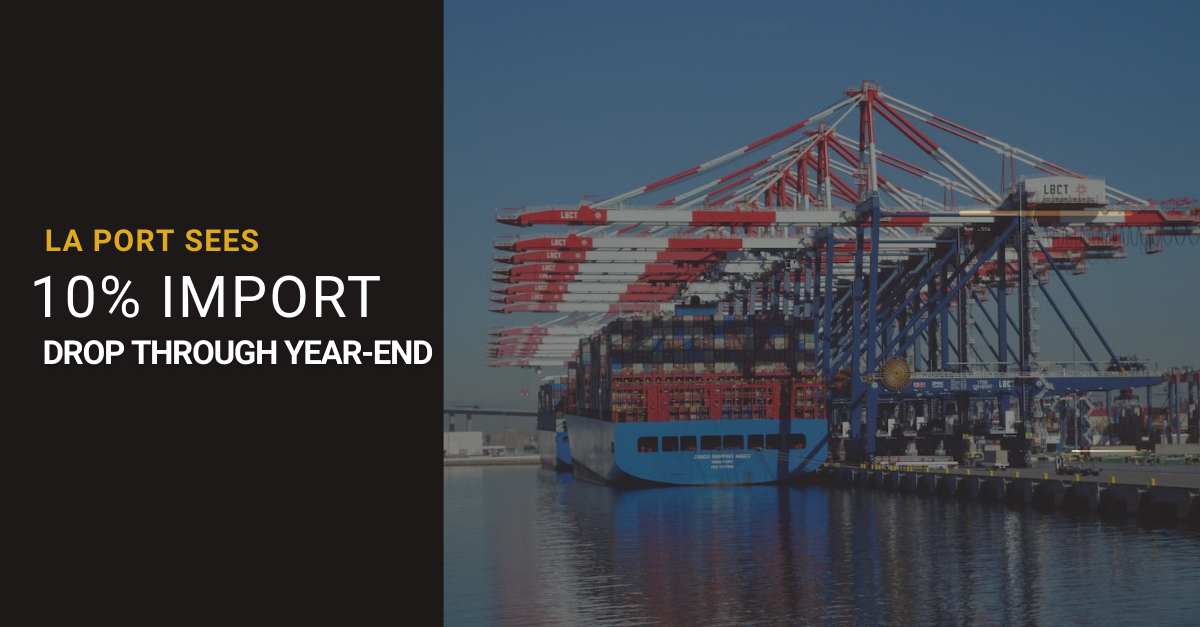

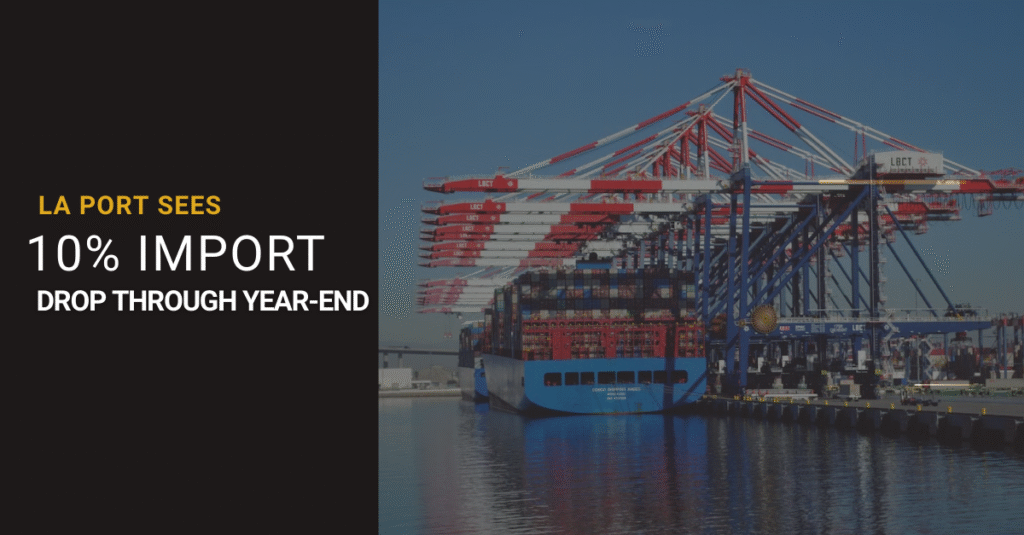
The momentum seen in July, boosted by a temporary halt in the Trump administration’s trade conflict with China, extended into August. The Port of Los Angeles handled 958,355 twenty-foot equivalent units (TEUs) during the month, just shy of last year’s record.
Port of Los Angeles Executive Director Gene Seroka highlighted in a briefing, “Nearly 2 million containers moved through the port over July and August combined. This marks the strongest two-month performance of any port in the Western Hemisphere. Retailers and manufacturers have been bringing in goods early to prepare for the holiday season and to safeguard against potential trade policy changes.”
The Port of Long Beach, LA’s neighbor in the San Pedro Bay port complex, reported similarly strong activity, maintaining its position as one of the leading U.S. cargo hubs.
However, Seroka cautioned that growth is expected to slow in the coming months due to several factors. “Container volumes are likely to ease through the remainder of 2025, especially when compared with last year’s unusually high numbers. Much of the holiday cargo has already arrived, and economic trends like slower job growth and persistent inflation are prompting both importers and consumers to be more cautious,” he said.
The port is also preparing for new shipping fees scheduled for October on China-operated vessels, which could impact ocean carriers’ services. Estimates suggest these fees could increase costs by $175 to $300 per container, though Seroka expects smaller ports to feel the impact more than Los Angeles.
In addition, the container supply chain is navigating long-term trucking cost pressures. Two drayage providers, TGS Logistics and GSC Logistics, recently shut down amid declining rates and challenging market conditions.
For August, loaded imports reached 504,514 TEUs, slightly down 1% from last year, while loaded exports rose 5% to 127,379 TEUs.
Even with the rise in volumes, container dwell times—how long a container stays at the port after unloading—improved, dropping to under three days for trucks and under eight days for rail. Empty containers, often seen as an early indicator of future imports, totaled 326,462 units, a slight decline of 1% compared to 2024.
Through the end of August, the Port of Los Angeles processed a total of 6,934,004 TEUs, marking a 4.5% increase over the same period last year.