
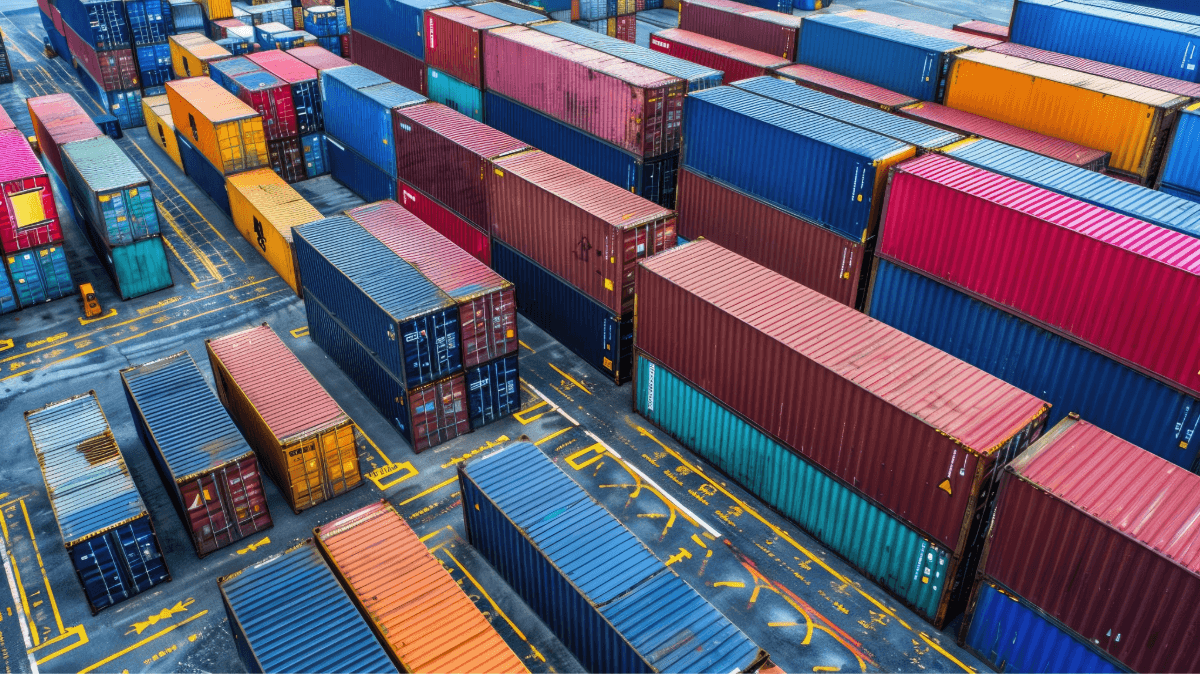
The drayage sector is entering a new phase in 2026, where operational challenges are shifting from port terminals to inland transportation networks. While major U.S. ports continue to process cargo efficiently, disruptions in rail services, trucking capacity constraints, and inconsistent cargo arrival patterns are creating delays beyond the port gates. As a result, shippers and logistics providers are placing greater emphasis on visibility, planning, and carrier partnerships to maintain supply chain efficiency.
Rising Import Volumes Increase Drayage Demand
Recent trade developments and increased import activity have led to stronger container volumes moving through U.S. ports. Industry analysts report that renewed shipping demand is expected to drive additional drayage requirements as more containers need to be transported from ports to warehouses, rail terminals, and distribution centers. Companies are being advised to secure drayage capacity early to avoid delays and rising transportation costs during peak shipping periods.
Key Challenges Facing Drayage Providers
Several factors are influencing drayage performance across North America:
- Limited trucking capacity in key port markets.
- Rail network disruptions affecting inland container movement.
- Unpredictable cargo arrival schedules.
- Increased pressure on warehouse and distribution networks.
- Growing demand for real-time shipment visibility and tracking.
Technology Driving Operational Efficiency
To address these challenges, drayage providers are investing in advanced logistics technologies, including real-time tracking, route optimization, automated dispatching, and digital freight management platforms. These tools help reduce delays, improve asset utilization, and provide customers with greater visibility into container movements.
Outlook for the Rest of 2026
Industry forecasts suggest that drayage demand will remain stable to strong throughout the year as global trade volumes recover and intermodal freight activity increases. Logistics companies that focus on technology adoption, proactive capacity planning, and flexible transportation solutions will be best positioned to navigate market fluctuations and deliver reliable service.
Conclusion
As supply chains continue to evolve, drayage has become a critical link in ensuring seamless cargo movement from ports to final destinations. Businesses that partner with experienced logistics providers and leverage modern transportation technology will be better equipped to manage delays, control costs, and maintain supply chain resilience in 2026.

